
Composites
Composite waterjet cutting with TamCut
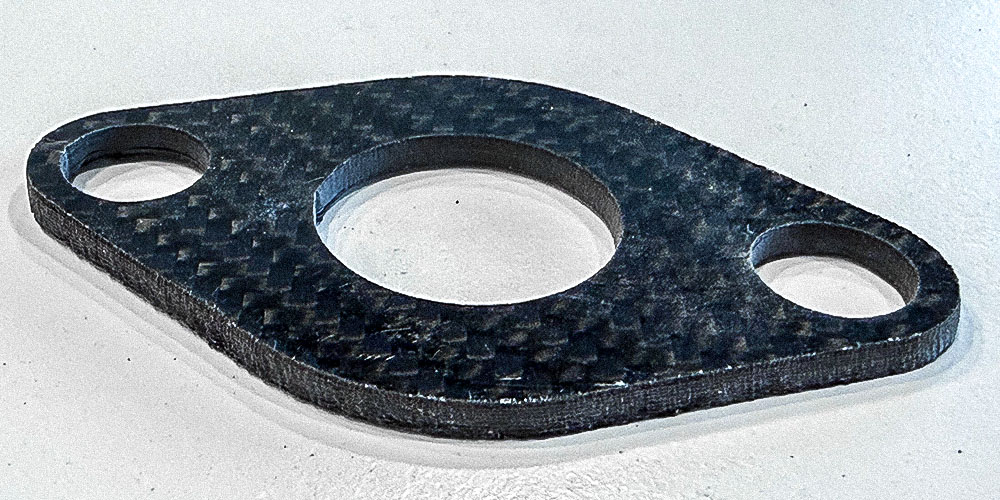
TamCut enables accurate and flexible waterjet cutting of composite materials with a compact industrial machine. Cut flat composite parts, holes, openings and detailed 2D shapes without heat damage, mechanical blade wear or material-specific cutting tools.
Overview
Flexible cutting for composite materials
TamCut is suitable for many composite cutting applications where flexibility, clean shapes and low mechanical cutting forces are important. Waterjet cutting is especially useful when parts require holes, internal contours, cut-outs or non-standard flat geometries that are difficult or costly to produce with conventional cutting tools.
Because waterjet cutting is a cold cutting process, the material is not exposed to high cutting temperatures. This makes TamCut useful for many fibre-reinforced and layered materials where heat can damage resin systems, fibres, coatings or surface quality.
VIDEOs
Watch TamCut cutting composites
Material cutting videos
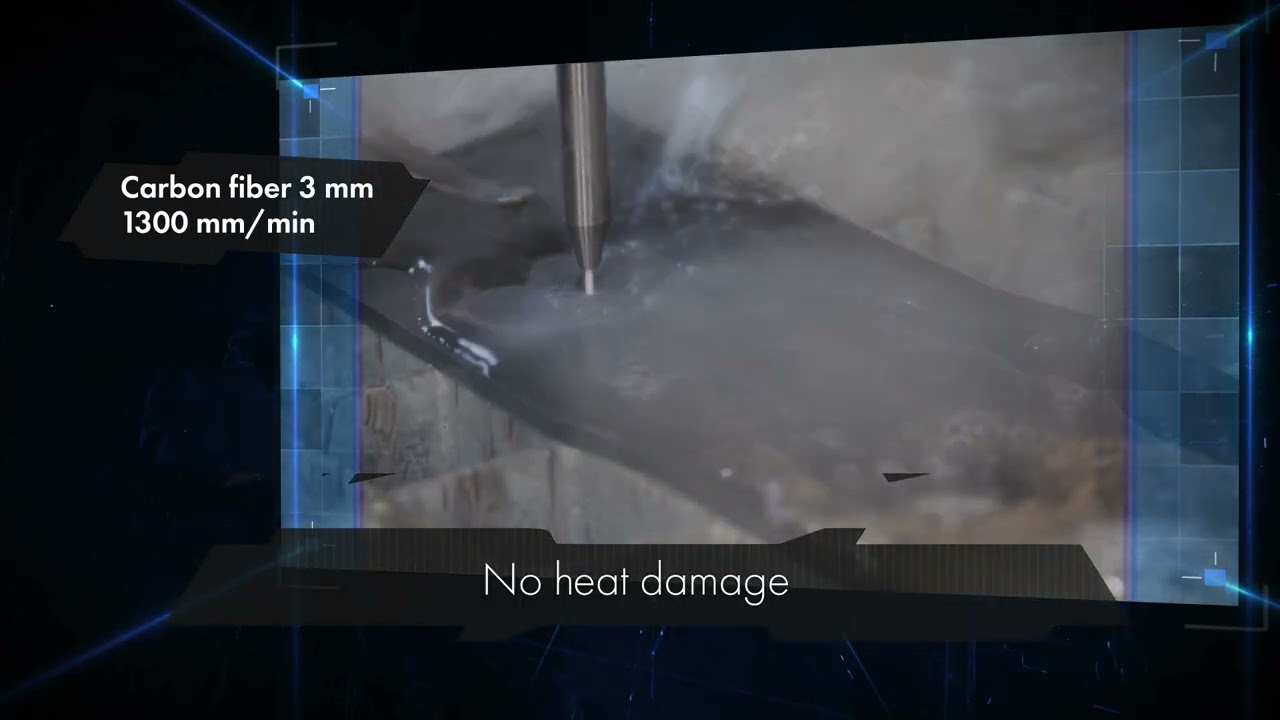
See how TamCut cuts carbon fibre sheet material with waterjet technology. The process makes it possible to produce flat shapes, holes and cut-outs without heat damage or mechanical blade wear.
Who uses Tamcut
Who uses TamCut for composite cutting?
Composite manufacturers
Composite manufacturers can use TamCut for prototypes, test parts, short runs and special flat shapes in fibre-reinforced materials.
R&D and laboratories
TamCut is well suited for research, development and material testing environments where different composite structures, sample shapes and test specimens need to be produced flexibly.
Product development teams
Product development teams can move faster from drawing to physical part when testing new composite components, layups or design changes.
Machine shops
Machine shops can use TamCut as a flexible cutting tool for mixed-material work, especially when composite parts are difficult to cut cleanly with traditional tools.
Education and technical training
Schools, universities and technical training centres can use TamCut to demonstrate waterjet cutting, composite processing and digital manufacturing workflows.
Production support
Production teams can use TamCut for small batches, support parts, test pieces and customer-specific composite components.
Applications
Typical composite applications
Carbon fibre parts
Cut flat carbon fibre parts, prototypes, test pieces and special shapes without heat damage from the cutting process.
Glass fibre parts
Cut glass fibre and fibre-reinforced sheet materials for prototypes, samples and small batches.
Test specimens
Produce material samples and test specimens for research, quality control and development work.
Holes and cut-outs
Cut holes, slots, openings and internal contours directly from a drawing without special cutting tools.
Complex flat shapes
TamCut can cut detailed flat shapes, internal contours and irregular 2D geometries without changing tools.
Small production batches
TamCut supports low-volume composite cutting where flexibility and changing geometries are more important than high-volume automation.
Honest fit
Best fit for TamCut composite cutting
TamCut is a strong fit when you need flexible in-house cutting for different flat composite parts and sample geometries. If you are unsure, send us your drawing and material. We will help evaluate whether TamCut is the right fit.
Best suited for
TamCut is a strong fit
TamCut is a strong fit when you need flexible in-house cutting for many different materials and flat part geometries.
- Carbon fibre sheet materials
- Glass fibre sheet materials
- Fibre-reinforced plastics
- Layered composite materials
- Prototypes
- Test specimens
- Single parts
- Small batches
- R&D and laboratory samples
- Applications where outsourcing causes long lead times
When another method may be better
Consider another process
TamCut is not intended to replace every composite cutting method. In some cases, another process may be more suitable.
- High-volume composite trimming
- Very large parts beyond TamCut’s cutting area
- Automatic 3D trimming of shaped composite parts
- Parts requiring robotic trimming or 5-axis machining
- Applications where milling, routing or dedicated trimming fixtures are clearly faster or more cost-efficient
- Highly sensitive layered structures without process validation
Why it works
Why waterjet cutting works well for composites
Seven properties of the process explain why one machine can handle steel, glass, rubber and carbon fiber alike.
01
No heat damage
Waterjet cutting is a cold cutting process. Composite materials are not exposed to high cutting temperatures, which helps avoid thermal damage to fibres, resin systems or surface layers.
02
No mechanical blade wear
The cutting is done by a waterjet rather than a saw blade, knife or router. This avoids mechanical blade wear and reduces the need for material-specific cutting tools.
03
Suitable for holes and internal contours
Waterjet cutting makes it possible to cut holes, slots, openings and internal shapes directly from a drawing without dedicated tooling.
04
Low mechanical cutting force
Waterjet cutting applies relatively low mechanical force to the material, which can be useful for many flat composite parts when the process is validated for the application.
05
Flexible production without dedicated tooling
The same machine can cut different composite geometries directly from a drawing, making TamCut well suited for prototypes, single parts and small batches.
06
Good fit for material testing and R&D
TamCut helps produce test specimens, sample geometries and prototype parts quickly when materials or designs change.
07
Important note on composite suitability
Composite materials vary significantly depending on fibre type, resin system, thickness, layup, reinforcement, surface finish and required edge quality. Some layered or sensitive materials may require test cutting to confirm edge quality, delamination behaviour and suitability. For demanding, expensive or unfamiliar composite materials, we recommend a test cut before production.
In short
Benefits, composites and typical parts
Benefits of cutting composites with TamCut
- Compact in-house waterjet cutting
- Suitable for prototypes, single parts and low-volume production
- One machine for many metals and other materials
- No heat-affected zone or thermal distortion
- Accurate holes, openings and flat part geometries
- Reduced outsourcing and shorter lead times
- Easy-to-use industrial HMI
- Europe-wide service and support
- Built by Muototerä, a Finnish waterjet company with real production experience
Examples of composite materials TamCut can cut
- Carbon fibre
- Glass fibre
- Fibre-reinforced plastics
- Layered composites
- Composite sheet materials
- Reinforced plastic panels
- Other waterjet-suitable composite materials
Typical composite parts
- Test specimens
- Prototype components
- Flat composite parts
- Cut-out panels
- Openings and internal contours
- Small production parts
- Product development samples
- Laboratory samples
- Custom flat components
- Special 2D geometries
Free evaluation
Not sure if your composite material is suitable?
Send us your material, drawing or part idea. Muototerä’s waterjet specialists will evaluate whether TamCut is suitable for your application.
MAterials
Explore materials
Metal waterjet cutting
Glass waterjet cutting
Plastic & rubber waterjet cutting
Stone & tile waterjet cutting
Composite waterjet cutting
Wood, cardboard and other materials
Contact us
Can TamCut cut your composite part?
Send us your drawing, material or part idea. Our waterjet specialists will evaluate whether TamCut is the right fit for your application.